

Legal IPTV Guide: Understanding Services, Setup Tips, and illegal IPTV fines 2026 – can IPTV users get fined
When streaming turned from a luxury into a daily habit, IPTV—Internet Protocol Television—has emerged as a flexible alternative to traditional cable packages. This guide walks beginners through the basics of IPTV, from understanding the technology to picking a trustworthy provider and staying on the right side of the law. By the end, readers will know how to avoid common pitfalls and why staying legal matters, especially given the potential illegal IPTV fines 2026 that can affect careless users. We’ll also explore whether can IPTV users get fined for unauthorized streams and how to protect yourself.
What Is IPTV?
IPTV delivers television content over the internet rather than through conventional cable or satellite networks. Instead of receiving signals that travel through coax or dish antennas, viewers receive data packets that are decoded by a set‑top box or a smart TV app. This method allows providers to offer a wider variety of channels, on‑demand movies, and interactive features without the need for bulky hardware at home.
How IPTV Works

The core process is simple: a stable internet connection transmits encrypted streams from a server to an IPTV client—either an app on a smartphone, a dedicated set‑top box, or the built‑in platform of a smart TV. The client decrypts the data, converts it into video, and displays it on the screen. Because everything travels over the internet, users can watch live TV, catch‑up shows, or stream video‑on‑demand from any device with a screen.
Main Features of IPTV Services
Modern IPTV platforms bundle several useful capabilities. Users typically enjoy live channels, a library of movies and series, catch‑up TV that lets you replay missed programs, and an Electronic Program Guide (EPG) for planning viewing. Multi‑device support means the same subscription works on phones, tablets, laptops, and TVs. Most providers also guarantee high‑definition (HD) or even 4K streaming, ensuring crisp visuals on compatible screens.
How to Choose a Reliable IPTV Service
Not all IPTV providers are created equal. Look for a service that offers clear legal rights to the channels it sells, a reputation for stable streaming, and responsive customer support. Verify that the provider supports the devices you plan to use and read reviews about video quality and uptime. A free trial or money‑back guarantee can also help you test reliability before committing to a paid plan.
Step-by-Step IPTV Setup Guide

-
- Choose a reliable IPTV provider. Select a service with positive reviews and transparent pricing.
- Check your internet speed. Aim for at least 5 Mbps for HD and 15 Mbps for 4K streaming.
- Install a compatible IPTV app. Many providers offer dedicated apps for Android, iOS, Android TV, and web browsers.
- Add your login details or playlist. Use the credentials or M3U URL supplied by the provider.
- Test channels and streaming quality. Play a few different channels to confirm smooth playback.
- Adjust settings for the best experience. Fine‑tune video quality, subtitles, and audio tracks as needed.
Benefits of IPTV
Flexibility is a major advantage; you can switch devices mid‑show or watch while traveling, as long as you have an internet connection. The need for physical cables is reduced, saving space and installation costs. On‑demand libraries let you binge‑watch favorite series at any time, while personalized recommendations make discovering new content easier. All of these benefits contribute to a more customized viewing experience.
Common IPTV Problems and How to Fix Them
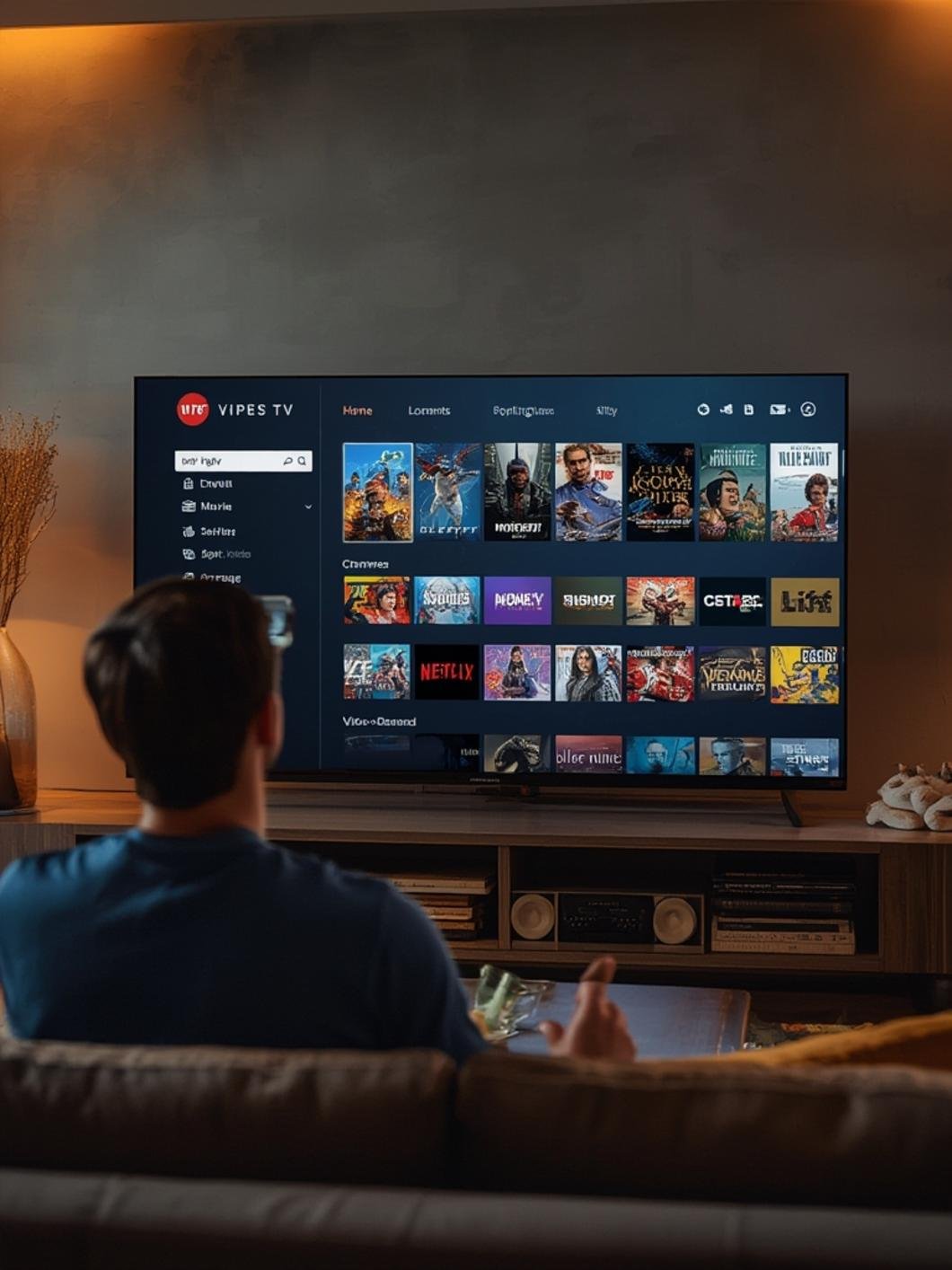
-
- Buffering or stuttering. Lower the video resolution, check for network congestion, or restart the app.
- App crashes. Update the app, clear cache, or reinstall if necessary.
- Login errors. Verify your username and password, and ensure the service is not having downtime.
- Missing channels. Confirm your subscription includes those channels and that the channel line‑up hasn’t changed.
- Poor video quality. Use a wired Ethernet connection, improve router placement, or contact your ISP for higher speeds.
Legal and Safety Tips for IPTV Users
Choosing a legal IPTV service protects you from unexpected penalties and safeguards your personal data. Always verify that the provider has proper licensing for the channels they offer. Use secure payment methods, avoid suspicious free‑trial offers, and never download IPTV apps from unofficial sources. Regularly updating apps and using strong passwords will further reduce the risk of hacking. Remember, illegal IPTV fines 2026 are a real concern, and can IPTV users get fined when they rely on unauthorized streams.
Conclusion
IPTV can transform your entertainment routine when you select a reputable, legally‑clear provider. By following the setup steps, keeping your internet connection strong, and staying vigilant about security, you’ll enjoy high‑quality streaming without worrying about the consequences of illegal services. Keep this guide handy as a reference, and feel free to explore more articles on optimizing your home network and discovering the best streaming options for your lifestyle.
FAQs
What does IPTV mean?
IPTV stands for Internet Protocol Television and refers to delivering TV content over the internet rather than traditional cable or satellite.
Is IPTV legal?
IPTV is legal when the content you watch is obtained from licensed providers. Unauthorized streams can lead to fines.
What internet speed do I need for IPTV?
A minimum of 5 Mbps is recommended for HD streaming, while 4K requires at least 15 Mbps for a smooth experience.
Can I use IPTV on a Smart TV?
Yes, many IPTV services offer dedicated apps that run directly on Smart TVs, making setup simple.
Why does IPTV buffer sometimes?
Buffering often results from a slow or unstable internet connection, high network traffic, or server overload. Lowering video quality or restarting the connection can help.